


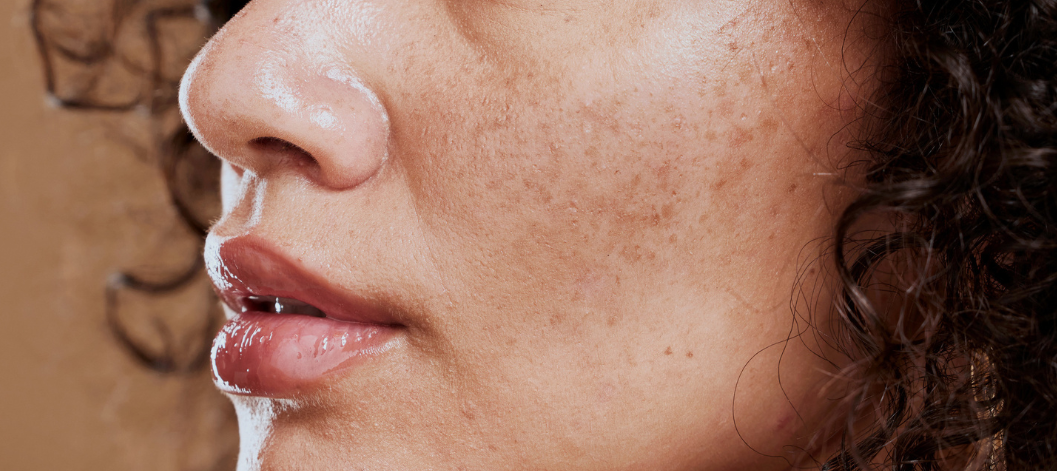
Hyperpigmentation on Indian Skin - Key Causes & Effective Solutions
The Reality of Pigmentation
If you’re Indian, chances are you’ve dealt with some form of pigmentation, acne marks that just won’t fade for months, stubborn tan from long days of being exposed to the sun, or patches that appear out of nowhere. All of this feels permanent once it has lasted a month or so. And with Indian skin, pigmentation often lingers longer than expected.
It is very important to understand that hyperpigmentation isn’t just common in India; it’s persistent. And that’s what makes it frustrating. You treat the cause, but the after-effects stay. What makes things worse is the advice that keeps floating around, “use this serum”, “try this home remedy,” “exfoliate more,” etc. But in many cases, pigmentation is your skin responding to inflammation, sun exposure, or irritation over time.
And once you understand what the root cause is, the entire game of treating it changes. Which brings us back to whether or not it can be cured? The good news is YES, most pigmentation can improve significantly with the right approach and consistency.
Let’s understand:
What Hyperpigmentation Actually Is?
At the core of it, hyperpigmentation is an overproduction or uneven distribution of melanin, the pigment that gives your skin its colour.
This process, called melanogenesis, is controlled by melanocytes, which become more active when triggered by UV radiation, inflammation, or hormonal signals.
A detailed dermatological review explains that melanocytes (special skin cells that produce melanin) in darker skin types are more reactive, meaning they produce more pigment in response to even minor triggers.
The Takeaway? Pigmentation is not damage, it’s overprotection.
Why Does Indian Skin Struggle More With Pigmentation in Different Forms?
Indian skin typically falls under Fitzpatrick skin types IV–V, which naturally contain more melanin to help protect against UV damage. But unfortunately, it also comes with a trade-off:
Your Skin Is Wired To Pigment Easily:
Multiple studies have shown that pigmentary disorders, in the Indian population, are the most common dermatological concerns. These are driven by both genetic predisposing influence and also the environmental exposure.
Now add everyday Indian conditions into the mix, so be it:
- Strong sunlight almost all year round
- Heat that makes your skin produce more pigment
- Pollution that stresses your skin
- Regular irritation (like acne, waxing, or sweat friction)
Having said that, a study on environmental impact confirms that air pollution contributes to skin aging and pigmentation through oxidative damage pathways (which not only affect our skin adversely but are a threat to our overall health as well).
The Real Causes of Hyperpigmentation With Real Solutions
Sun Exposure: The Biggest Trigger
Sun exposure doesn’t just cause pigmentation; it also aggravates everything else.
UV radiation stimulates melanocytes, increasing melanin production as a defense mechanism. UVA rays, in particular, penetrate deeper and are strongly linked to long-term pigmentation and photoaging.
Scientific evidence shows that UV exposure is the leading external factor in pigmentation and premature aging. And this is why smaller spots easily become darker if left unprotected.
Post-Inflammatory Hyperpigmentation (PIH)
It is one of the most common ways your skin creates pigmented marks on the skin. This simply means that anything that irritates your skin (like acne, picking at pimples, harsh skincare, threading/waxing) can lead to pigmentation - as simple as that.
Medically explaining: Inflammation triggers melanocytes to release excess pigment during the healing process. Meaning, the more you irritate your skin, the longer it remembers it.
Hormonal Pigmentation (Melasma)
Melasma isn’t just another dark spot; it's basically the kind of pigmentation that lingers, spreads, and quietly changes how you see your own skin. It often shows up in symmetrical patches, almost like a shadow that wasn’t there before, and no matter what you try, it doesn’t fade as easily as you expect.
It’s deeply tied to hormonal shifts, so it can appear during phases of life you’re already navigating, like pregnancy, PCOS, or even while taking birth control. And the hard part is not how it looks but how persistent it is.
Pollution and Heat: An Underrated Trigger
It might be the most ignored factor, but it plays an important role in your skin health.
In simple words, pollution increases free radicals, which in turn stimulate melanocytes. Heat also independently triggers pigmentation, even without UV.
Even very strong research confirms the same saying: environmental stressors like pollution significantly contribute to pigmentation disorders. That is why your skin behaves differently in different parts of the country.
Friction and Repeated Physical Stress
This explains pigmentation in areas like underarms, inner thighs, and neck.
Repeated friction causes low-grade inflammation, leading to gradual darkening. It might be slow, but it's very much real.
Real Solutions That Actually Work
SUNSCREEN! Non-negotiable, every time, all the time!
This step is a game-changer for so many skin problems, especially hyperpigmentation and aging. Make it a part of your life, like your life depends on it.
A randomized controlled trial and a study found that daily sunscreen use significantly reduced visible signs of aging and pigmentation over time.
Targeted Ingredients (Keep It Simple)
First things first, you do not need a lot of products to treat pigmentation; you just need the right ones, used consistently. Hence, do not overdo it, as it can backfire, too.
Niacinamide helps reduce dark spots and calm the skin
Azelaic Acid works well for both acne and the marks it leaves behind
Vitamin C protects your skin and improves uneven tone
Retinoids speed up skin renewal and fade pigmentation over time
Do a patch test first, go slow (one at a time), and finally work your way up to whatever is working for you.
Barrier Repair: The Step Most People Ignore
When your skin barrier is damaged, inflammation increases, and so does pigmentation.
A clinical review highlights that restoring barrier function reduces inflammation and supports proper skin healing. A healthy barrier also helps your skin stay hydrated and resilient.
Professional Treatments (When needed, not as the first solution)
For deeper and stubborn pigmentation, one can go for some of the treatments mentioned below:
- Chemical Peels
- Laser Treatments
- Prescription Topicals
*These treatments should always be done under professional guidance.
Final Thoughts
- Do not change the products too quickly while treating pigmentation
- Do not over-exfoliate, thinking it will “remove” pigmentation
- You need a lot of patience to work this through
- Treat your skin like it remembers everything, from every single sun exposure to every time you picked a pimple. Your skin keeps a track, but remember it also responds to consistency.