


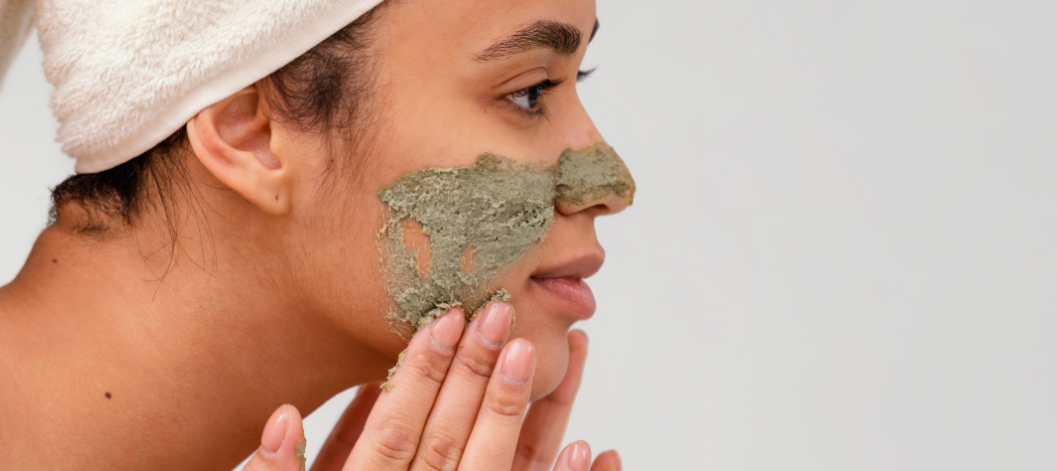
How often should you exfoliate: Guidelines for Indian skin types
| 5 mins
At some point, we have all tried to get some instant glow with exfoliation. As much as we wish to believe it works that way, exfoliation remains one of the most misunderstood steps in skincare routines, especially for Indian skincare.
Indian skin, anyway, deals with intense sun exposure, humidity, pollution, dust and frequent temperature changes. Adding to the causes, Indian skin has more melanin production (more prone to pigmentation), and exfoliation has known to be a remedy for shedding some of the pollutants and dead skin that is now stubborn on your skin.
As per how my experience with exfoliation went, I understood it’s about strategy and not aggression.
So the real question we address here is not whether or not you should exfoliate, but how often, based on your skin type and environment.
What exfoliation actually is and why it is important to do it right?
The process of removing dead skin cells from the surface of your skin is called exfoliation. Even though the skin naturally sheds off the dead cells, factors like age, sun damage, pollution and dehydration can slow the process.
The factors that keep your skin from ‘the natural shed’ can make your complexion look dull, clog your pores and prevent skincare products from actually working. So that’s why exfoliation with the right technique is what is needed.
Talking about how Indian skin benefits from exfoliation: where concerns like tanning, uneven texture, acne and dullness are catered.
BUT, overdoing it can cause inflammation and post-inflammatory hyperpigmentation (PIH), which can be far harder to fix.
Types of exfoliation: What works the best for Indian skin?
Before getting to the frequency of using an exfoliant, it's important to understand which one is the best for you:
Physical exfoliation
It’s the kind most of us grew up with, like scrubs, ubtans, exfoliating powders, even DIY mixes made with sugar or coffee. Physical exfoliation works manually by scrubbing off the dead skin cells from the surface of your skin. Which is why your skin instantly feels smooth after just one use.
The problem? Indian skin doesn’t always tolerate friction very well. Too much pressure or too much use can cause micro tears in the skin, leading to bigger problems. Redness, sensitivity, breakouts and even pigmentation are some unforeseen results of aggressively using physical exfoliation techniques.
This doesn’t mean you need to entirely eliminate it from your routine, it just needs a lighter hand.
What works best:
According to dermatologists, using gentle scrubs, no more than once a week, is the best approach. The product in question has to have soft, fine particles and minimal pressure is key.
What to avoid:
Harsh scrubs with walnut shells, apricot pits, or large gritty particles (must avoid at any cost if you care about your skin one bit). These are especially risky for pigmentation-prone Indian skin.
Chemical exfoliation
Chemical exfoliation might sound intimidating, but it’s actually much gentler when used correctly. Instead of (somewhat harshly) scrubbing the skin, these exfoliants loosen and dissolve dead skin cells, allowing them to shed naturally.
The most common and excellent ones you’ll come across are:
- AHAs (Alpha Hydroxy Acids) like glycolic or lactic acid, which help with dryness, dullness and pigmentation
- BHAs (Beta Hydroxy Acids) like salicylic acid, which go deeper into pores and are great for oily or acne-prone skin
- PHAs (Poly Hydroxy Acids) works slowly and are ideal for sensitive or reactive skin
In most cases, a gentle use of chemical exfoliation is not just safer but more effective as well. For the best and more controlled results, it is recommended to use these once or twice a week. It can improve the skin texture, clear your skin and make your skin glow naturally.
The key, again, is moderation! Strong acids used too often can still cause irritation and pigmentation, so slow and steady always wins.
Market research indicates that chemical exfoliants account for about 70% of exfoliating products, reflecting their wider acceptance (professionally) and safety.
How often should you exfoliate based on your Indian skin type?
There’s no one-size-fits-all rule when it comes to exfoliation. The most important part is to understand that exfoliation is not just a single word that means scrubbing your face, it's more of a personalised technique that everyone has to apply for their own skin type and let your skin type guide you.
Oily and acne prone skin
If your skin gets oily within a few hours or you struggle with clogged pores and breakouts, exfoliation can really help.
Recommended frequency:
- Chemical exfoliation: 1- 2 times a week
- Physical exfoliation: Once a week (optional)
Pro tip: Look for salicylic acid or mild AHAs, they go inside the pores instead of scraping the surface. And exfoliating more than the given frequency can increase oil production and worsen acne.
A survey at DERMACON 2025 (of 106 Indian dermatologists) showed that a majority of Indian dermatologists now support gentle daily chemical exfoliation for acne prone skin and sensitive skin using low-concentration acid formulations.
Dry skin
Indian dry skin needs exfoliation far less often than you might think. While it can be tempting when your skin looks flaky or dull, doing it too frequently can damage the skin barrier and make dryness worse.
Recommended frequency:
- Exfoliating for dry skin once every 7 to 10 days is usually enough.
Gentle chemical exfoliants like lactic acid, PHAs, or even enzyme-based products are much better for dry skin than scrubs (which are physical exfoliants).
Pro tip: Always and always follow exfoliation with a good moisturizer. Your skin shouldn’t feel tight, if it does, it’s a sign that you might have gone too far.
Combination Skin
This skin type is always tricky business. Different areas of your face behave differently. Your T-zone might feel oily and congested, while your cheeks stay dry or normal.
Recommended frequency:
- 1–2 times a week
- Focus exfoliation on oily areas like the T-zone
Pro tip: You don’t need to exfoliate dry areas as often.
Sensitive Skin
If your skin gets red easily, stings or irritates when you try new products, or even reacts without warning, exfoliation needs to be kept to a minimum.
Frequency recommended:
- Once every 10–14 days
Pro tip: Stick to very gentle chemical exfoliants or enzyme-based products. And patch testing isn’t optional here, it’s essential!
Pigmentation Prone or Melanin Rich Skin (Common in Indian skin)
While exfoliation can help fade uneven tone over the period of time, overdoing it is one of the fastest ways to trigger pigmentation.
Recommended frequency:
- Once a week (or even less if skin is reactive)
Fact: Over-exfoliation is one of the biggest triggers for dark spots. Gentle exfoliation paired with daily sunscreen is key.
Exfoliation frequency by age
-
Teenagers: Once a week at most, mainly for acne control
-
20s–30s: 1–2 times a week, totally depending on skin type
- 40+: Once a week or once every 10 days, (in these ages the cell turnover slows)
More exfoliation does not equal younger-looking skin!
Tips based on seasons in India
- Summer & Monsoon: Where sweat and oil increase, the sensitivity may also increase. Stick to light chemical exfoliation once or twice a week.
- Winter: Season of dreadful dryness! Reduce exfoliation frequency and focus on hydration more
Takeaway:
When it comes to Indian skin, gentle consistency will always outperform aggressive trends. It may seem like exfoliation is a shortcut to perfectly glowing skin for your Indian skin, but the truth is, it's not. Rather, it's a helpful tool to step up your relationship with your skin. If used properly, it can make your skin glow from within, that too with something as simple as a topical application of rightly chosen exfoliant.