


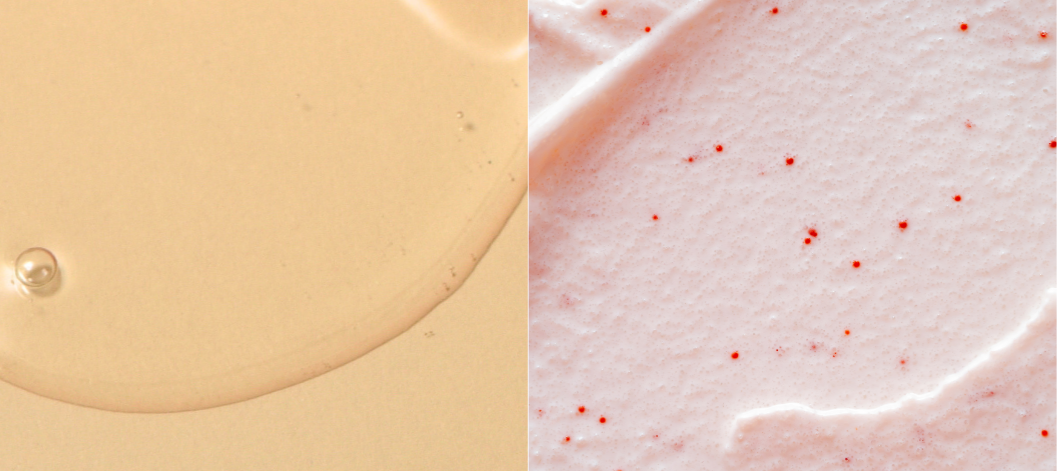
Chemical exfoliants vs physical exfoliants: Which is right for you?
| 5 mins
What is exfoliation and why does it matter?
If you are searching for which is the best exfoliation for you, physical or chemical, then you might as well know what exfoliating is.
But in case you don’t, exfoliation is the process of removing dead skin from the surface (epidermis layer) of the skin.
Even though our skin is capable of removing dead cells from the surface itself (mostly it sheds those dead cells in 28-40 days), factors like pollution, sun exposure (UV rays), aging and dehydration might slow down the process.
And as much as I do not like to utter words like dullness, clogged pores, uneven texture and breakouts, these are the real problems our skin faces if not exfoliated properly.
Which is why regular and appropriate exfoliation is needed to improve skin clarity, smoothness, and overall skin health (yes, surely something we all like to manifest every single day).
Dermatologists around the world have from the longest time emphasised on the importance of it and we are here to listen to them!
However, how you exfoliate matters just as much as whether you exfoliate, which brings us to the debate: chemical vs physical exfoliants.
Physical exfoliants? What are those?
Physical exfoliation relies on mechanical friction to remove dead skin cells, something that is done with manual scrubbing. Some of the commonly used ways/tools are:
- Scrubs with granules (sugar, jojoba beads, rice powder)
- Brushes and exfoliating gloves
- Cloths like muslin or konjac sponges
The process of physical exfoliation is to make your skin feel instantly smoother as these abrasives buff away the surface-level dead cells. Which also means, if the particles in the product/tool you use are too hard or the application is too vigorous, the friction can cause micro-tears in the skin's outermost barrier.
The only mantra using physical (mechanical) exfoliants is ‘Be Gentle’!
How do chemical exfoliants work?
Chemical exfoliants use active ingredients, acids or enzymes to dissolve the bonds (glue-like substance) that hold dead cells together, letting them detach and get removed from the skin (best part: without scrubbing). Mainly classified into 3 segments:
Alpha Hydroxy Acids (AHAs)
Examples: Glycolic acid, lactic acid
How do they work:
- These are water-soluble, work on the surface to improve texture and tone
- Studies show that these acids loosen the bonds holding dead skin cells together, helping them shed more easily. With regular use, this leads to smoother skin and can also support collagen production over time.
Beta Hydroxy Acids (BHAs)
A simple Example for BHA: Salicylic acid
How do they work:
- These are oil-soluble and can penetrate pores to dissolve oil and debris.
- If you have oily and acne prone skin, salicylic acid is one of the best recommendations to up your exfoliation game.
Polyhydroxy Acids (PHAs)
Example: Gluconolactone, lactobionic acid
How they work:
These are the larger molecules that exfoliate gently, can possibly boost hydration and are recommended if you have sensitive skin (patch testing is still important)
Unlike physical exfoliants, chemical exfoliation doesn’t rely on scrubbing the surface layer of your skin. Hence, the risk of physical abrasion (the damage to your skin surface caused by rubbing harsh scrubs) is lower. They are just biochemically designed to loosen the dead cells by targeting their adhesion in the epidermis layer of your skin.
Research backed benefits & limitations - Chemical exfoliants vs physical exfoliants
We did the research and compiled it, so you don’t have to:
|
Aspect |
Chemical Exfoliants |
Physical Exfoliants |
|
How they work |
Dissolve bonds between dead skin cells |
Manually scrub away dead skin cells |
|
Skin feel |
Gradual improvement in texture |
Instant smoothness after only one use |
|
Depth of action |
Works evenly and can penetrate into pores |
Works only on the surface |
|
Best for |
Acne, pigmentation, uneven texture, ageing |
Normal, resilient skin with no sensitivity |
|
Risk level |
Low when used correctly |
Higher risk of irritation if overused |
|
Sensitive skin |
Better tolerated (gentle acids, PHAs) |
Often not suitable |
|
Long term results |
Improves skin health over time |
Results are often short-term |
Which one should you use? (Based on your preference)
|
If your skin is… |
Go for… |
Why? |
|
Acne-prone or oily |
Chemical exfoliant (BHA) |
Clears pores and controls oil |
|
Dry or dull |
Chemical exfoliant (AHA/PHA) |
Improves texture without friction |
|
Sensitive or reactive |
Gentle chemical exfoliant (PHA) |
Less physical damage to skin barrier |
|
Thick, non-sensitive |
Mild physical exfoliant (occasionally) |
Can tolerate light manual exfoliation |
|
Experiencing redness or irritation |
Pause exfoliation (dermantolegist is the best approach in such cases) |
Skin barrier needs repair |
How often should you exfoliate?
So, how much exfoliation is too much exfoliation? Well, the frequency depends on your exfoliant type and skin condition:
- Physical exfoliants: 1–2 times per week
- Chemical exfoliants (low strength): 2–3 times per week
- Sensitive skin: Once a week or less
Note: Slow is the way to go, the more the aggressiveness the more the risks. We know we need results, and we need them quick! But the risks you hold of damaging your skin with ‘I need to apply more, it’s not working’ are much, much higher!
Always remember (some non-negotiable tips to follow before starting exfoliation)
- to patch test before going for full use
- initially start with once a week (this helps your skin adjust)
- chemical exfoliants increase sun sensitivity. Daily sunscreen (SPF 30+) is vital
- replenishing hydration is also as important as SPF barrier repair and comfort after exfoliation
- no matter the tool, treat your skin with gentleness, say NO to vigorous rubbing
Takeaway:
- Chemical exfoliants gently loosen and remove dead skin cells, making them better for long-term goals like clearer pores, smoother texture and even fading pigmentation.
- Physical exfoliants give instant smoothness, but if used too often or too harshly, they can irritate the skin or damage the skin barrier (avoid if you have sensitive skin)
- Today, most dermatologists recommend gentle, targeted exfoliation based on your skin type instead of aggressive scrubbing (it gives micro-tears to your skin barrier).
- The focus should be on using the right product (read the labels, always), not overdoing it and keeping the skin barrier healthy and hydrated.